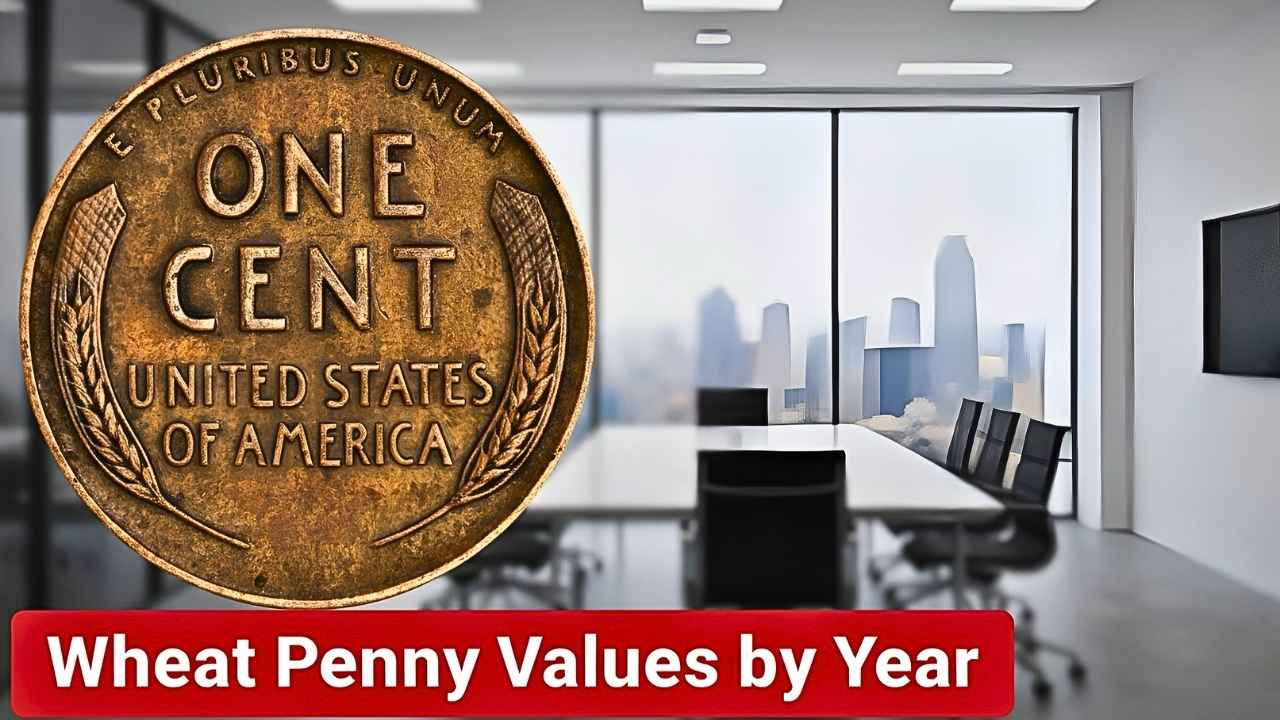
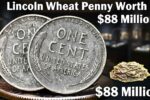
Wheat Penny Values by Year: Wheat pennies have fascinated collectors for generations because they offer history, rarity, and sometimes impressive value. Minted from 1909 to 1958, these pennies carry the classic wheat ear design on the reverse, which gives them their name. Although many wheat pennies are common and still worth only a few cents, certain years and variations can be worth hundreds or even thousands of dollars. Understanding wheat penny values by year makes it easier to determine whether the coins in your possession are everyday collectibles or hidden treasures. Many people discover valuable wheat pennies in old jars, inherited collections, and sometimes even in pocket change.
What Makes Wheat Pennies Valuable
Several factors influence the value of a wheat penny. The first and most obvious is the year the coin was minted. Some years produced fewer coins, making them naturally rarer. Mint marks also play a significant role. Wheat pennies minted in San Francisco or Denver can be worth more than those from Philadelphia, depending on the year. Condition is another major factor as high grade coins in near perfect condition attract serious interest from collectors. Even a common year can become valuable if the coin looks brand new.
Errors and varieties can drastically increase a penny’s value as well. Misprints, doubled dies, repunched mint marks, and off center strikes turn regular coins into rare collectibles. These unique features often make certain wheat pennies worth far more than their face value or their common counterparts.
Early Years 1909 to 1919
The earliest wheat pennies are among the most valuable. The first year, 1909, is especially significant because it marked the transition from the Indian Head cent to the Lincoln design. Some 1909 pennies included the initials VDB for Victor David Brenner, the designer. These initials were removed later in the year, making the 1909 VDB versions rarer, and the 1909 S VDB among the most sought after wheat pennies ever minted. Even worn examples can sell for hundreds, while high grade pieces are worth far more.
During the 1910s, several years produced low mintages. The 1914 D penny is famous for its rarity, especially in good condition. It is one of the key dates in the entire wheat penny series and often sells for hundreds or thousands depending on grade. Other early years like 1911 S, 1912 S, and 1913 S can be worth notable amounts due to their limited production.
Middle Years 1920 to 1939
Wheat pennies from the 1920s and 1930s are more common, yet there are still several valuable years worth watching for. The most famous coin from this period is the 1922 penny without a mint mark. In 1922, pennies were minted only at the Denver Mint, but due to weak or accidentally polished dies, some coins appear to have no mint mark at all. These no D pennies are extremely rare and highly desirable among collectors.
Another notable year is 1931, particularly the 1931 S penny, which had a smaller mintage than usual. Although not as rare as some earlier issues, high grade versions still hold significant value. Wheat pennies from the 1930s generally become more valuable when they are found in excellent condition, as many of them spent decades in circulation.
Later Years 1940 to 1958
Wheat pennies from the 1940s and 1950s are the most commonly found today. Their widespread availability means most of them are not worth more than a few cents. However, there are some important exceptions. One of the most famous American coins ever minted is the 1943 copper penny. During World War II, pennies were made from steel coated in zinc to conserve copper for the war effort. A small number of copper planchets were accidentally used in 1943, creating the extremely rare and valuable copper 1943 penny. These coins have sold for hundreds of thousands of dollars.
Another rare year is 1944, but for the opposite reason. After switching back to copper in 1944, a few steel planchets were accidentally used for that year, creating another rare collectible. Wheat pennies from the 1950s remain easy to find, and although most have modest value, high grade proofs and error coins can still attract attention.
Mint Marks and Their Importance
Each wheat penny carries a mint mark, unless it was minted in Philadelphia which traditionally used no mark. The most common mint marks are D for Denver and S for San Francisco. Some years saw vastly different production levels among the three mints. For example, in some years the San Francisco Mint produced only small quantities, making those pennies rare. In other years the Denver Mint coins are the most valuable. A simple mint mark can turn an ordinary penny into a collector’s prize.

Collectors often focus on completing sets that include each year and mint mark combination, which increases the demand for certain scarce coins. Learning the mint mark system helps you understand which wheat pennies have the highest potential value.
How Condition Affects Value
Condition plays a critical role in determining a wheat penny’s worth. A coin that looks sharp, shiny, and free of scratches will always be worth more than a worn or damaged one. Grading systems range from poor to mint state, with higher grades commanding higher prices. Even a common date wheat penny can be worth several dollars if it is in exceptional condition.
Coins found in uncirculated rolls, inherited collections, or long stored sets often have higher grades. Professional grading services can evaluate coins and certify their condition, giving collectors confidence in the value and authenticity of their coins.
Error Coins and Rare Varieties
Error coins are often some of the most valuable wheat pennies. A doubled die penny, where the design appears slightly duplicated, can be extremely valuable. The most famous example is the 1955 doubled die penny. Its strong doubling is visible without magnification, and it is one of the most iconic American error coins. Even low grade examples sell for impressive prices.
Other varieties include repunched mint marks, off center strikes, clipped planchets, and wrong metal strikes. These unique coins are exciting finds because they combine rarity with the story of how minting imperfections occurred.
Why Wheat Pennies Remain Popular
Wheat pennies are among the most collected coins in the United States because they are accessible, historic, and exciting to search for. Many people enjoy the thrill of inspecting pocket change or sorting through jars of old coins. The possibility of discovering a rare penny adds a sense of adventure to collecting. Wheat pennies also appeal to new collectors because they are inexpensive to start with while still offering the potential for valuable finds.

Their classic design featuring Abraham Lincoln and the wheat ears gives them a timeless charm. Whether collected for investment, history, or hobby, wheat pennies hold a special place in American coin collecting.
How to Identify and Evaluate Your Wheat Pennies
If you have wheat pennies and want to know their value, begin by sorting them by year and mint mark. Use a magnifying glass to check for errors or unusual features. Look closely at the coin’s condition to determine whether it shows minimal wear or significant damage. Once you have identified potential rare coins, compare them with known price guides or seek evaluation from experienced collectors or coin shops.
Professional grading is an option for coins that appear especially rare or valuable. A certified coin often sells for more because buyers trust the grade and authenticity.
Final Thoughts
Wheat pennies hold a unique charm that continues to attract collectors of all ages. While many are worth only a small premium, certain years, mint marks, and rare errors can be worth significant amounts. Understanding wheat penny values by year helps you determine which coins are common and which ones might be treasures. Whether you are sorting through old family coins or exploring a new hobby, the world of wheat pennies offers endless fascination and the possibility of exciting discoveries.